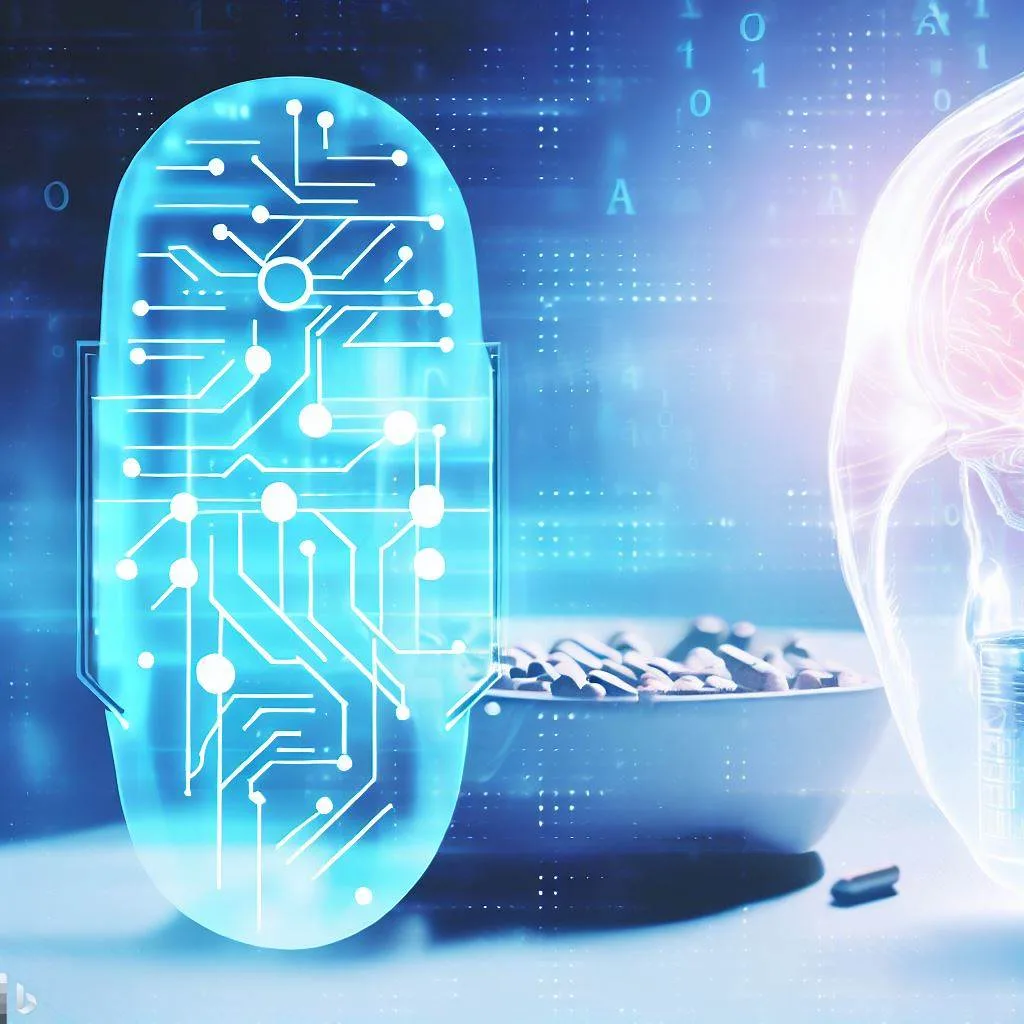
In recent years, artificial intelligence (AI) had had a significant impact on hospitals, pharmaceutical companies, medical stores, and other healthcare industries. Markedly, the emerging technology of AI has impacted every sector in the world and this has resulted in a vast AI-based market. One of the most significant areas of impact has been in AI-powered diagnosis.
Pro
AI diagnosis can improve the accuracy of diagnoses, leading to earlier treatment and better patient outcomes.
Con
It may be biased or inaccurate if the data it is trained on is biased.
Verdict
AI diagnosis is a promising tool that has the potential to improve the accuracy of diagnoses, but it is still under development and has limitations.
- Introduction
- Enhanced Accuracy
- Streamlined Workflows
- Personalized Medicine
- Early Detection and Prevention
- Ethical Considerations
- Virtual reality (VR) and Augmented reality (AR)
- Conclusion
- Reponsibilities
Introduction
AI-powered diagnosis tools are using machine learning algorithms and data analytics to revolutionize patient well-being along with health equity. Machine learning and robotic engineering are taking healthcare to new horizons by automating tasks, providing personalized care, and improving diagnosis and treatment.
“Health is a state of complete physical, mental, and social wellbeing, and not merely the absence of disease or infirmity.” – WHO
https://www.who.int/about/who-we-are/constitution
Enhanced Accuracy of AI Diagnosis
The most crucial benefit of AI-powered diagnosis is its ability to improve accuracy and authenticity in finding the real problem. AI algorithms can analyze vast amounts of medical data, including patient records, lab results, and medical images, with unparalleled speed. The word speed reminded me of AI Trucks.
AI-powered diagnosis is becoming increasingly important in healthcare, as AI systems can assist healthcare professionals in making more accurate diagnoses. By learning from patterns and correlations in large datasets of patient data, AI systems can identify potential problems that might otherwise be overlooked. This can lead to earlier diagnoses and more effective treatment. This technology can potentially reduce diagnostic errors, minimize misdiagnoses, and improve overall patient safety.

AI is transforming healthcare by swiftly pinpointing diseases through advanced medical data analysis, enabling early detection and precise diagnosis. Harnessing the power of AI in healthcare improves treatment outcomes and saves lives.
Streamlined Workflows
Although, diagnosing complex conditions can be time-consuming and labor-intensive for healthcare providers. AI-powered diagnosis tools, however, can analyze patient data rapidly and provide valuable insights within seconds with health equity. Additionally, this also allows healthcare providers to focus on other essential tasks. Furthermore, this automation of the diagnostic process helps streamline healthcare workflows, enabling medical professionals to focus more on personalized patient care. AI-powered diagnosis frees up valuable resources, allowing healthcare providers to see more patients and provide timely treatments.
Personalized Medicine
Patients are unique, and their treatment should reflect their individual characteristics and needs. AI-powered diagnosis is crucial in advancing personalized medicine by analyzing patient data to identify patterns and predict disease progression. It gets tricky. With this information, healthcare providers can develop tailored treatment plans, optimizing therapeutic outcomes and reducing the likelihood of adverse reactions. AI’s ability to consider various factors, such as genetic data and lifestyle choices, allows for a more holistic approach to patient care.
Early Detection and Prevention
Early detection of diseases can significantly impact treatment success rates and patient outcomes. AI diagnosis tools excel in recognizing subtle patterns and anomalies that may not be easily detectable by human observers. By analyzing patient data, AI systems can identify potential risks, predict disease onset, and recommend preventive measures. This early detection enables healthcare providers to intervene at the earliest stages of disease progression, potentially saving lives and reducing healthcare costs.
Artificial Intelligence powered personalized medicine will revolutionize the Healthcare industry. AI will change everything from AI powered medicine creation to its distribution, from necessity to cure.

Ethical Considerations
While AI diagnosis presents immense potential, it is crucial to maintain ethical guidelines and ensure human oversight. Healthcare providers must carefully balance the benefits of AI with the necessity of human expertise and judgment. AI systems must be developed and validated with transparent algorithms that consider factors such as bias, fairness, and patient privacy while keeping health equity in mind.
The human-machine collaboration in diagnosis combines the strengths of both, empowering healthcare professionals to make informed decisions.

Virtual reality (VR) and Augmented reality (AR)
Virtual reality (VR) and Augmented reality (AR) are having a significant impact on the healthcare industry. VR can be used to create immersive simulations of medical procedures, which can help surgeons train and practice without putting patients at risk. AR can be used to overlay digital information onto the real world, which can be helpful for tasks such as surgical navigation and remote diagnosis.
Here are some specific examples of how VR and AR are being used in healthcare:
- VR and Surgeon Training. For example, the University of Pennsylvania has developed a VR simulator for training surgeons to perform spinal surgery. The simulator allows surgeons to practice the procedure in a safe and controlled environment, without putting patients at risk.
- AR is being used to help surgeons navigate during surgery. For example, the company Augmedix has developed an AR platform that allows surgeons to see real-time patient data and images. This can help surgeons make more informed decisions during surgery and reduce the risk of errors.
- Augmented reality: Remote Diagnosis and Treatment. For example, the company OnStar has developed an AR app that allows doctors to see and interact with patients remotely. The app uses the patient’s smartphone camera to capture visuals of their symptoms, which doctors can view and diagnose remotely.
VR and AR are still in their early stages, but they can potentially revolutionize the healthcare industry. By providing immersive training simulations, real-time data visualization, and remote diagnosis and treatment, VR and AR are the ultimate heroes.
Conclusion
Integrating AI-powered diagnosis into healthcare is revolutionizing the industry, empowering healthcare providers with powerful tools to improve accuracy, streamline workflows, and deliver personalized care. By leveraging the vast amounts of medical data and harnessing the capabilities of AI algorithms, we can expect significant advancements in diagnosis and treatment outcomes.
Responsibilities
However, it is vital to ensure responsible implementation, maintaining the balance between AI’s capabilities and the indispensable role of human expertise. With ongoing advancements and ethical considerations, AI will continue to shape the future of healthcare, paving the way for improved patient care worldwide.